






 University is Prioritizing Tailored Student Services and Direct Faculty Mentorship
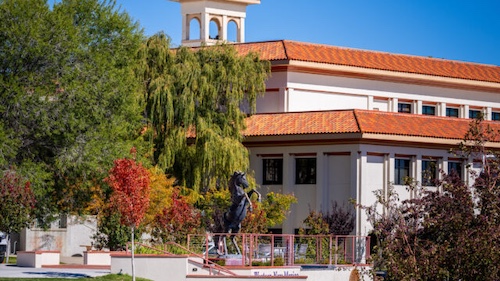
SILVER CITY, NM — Reimagining how higher education serves rural communities, Western New Mexico University is putting student support front and center in the Gallup region by delivering one-on-one faculty mentorship, home-based technology and direct community outreach tailored to modern, non-traditional learners.
By prioritizing personalized services, home-delivered technology, and on-the-ground outreach, WNMU is keeping higher education seamless, flexible, and connected to community needs.
To support regional students, WNMU expanded support systems that ensure educational continuity:
Direct Academic & Faculty Connection: Regional students remain paired with their main-campus faculty mentors and academic advisors for one-on-one guidance.
Expanded Home-Delivered Tech Support: For students facing technology deficits, the College of Education has expanded its media loan program, shipping laptops and instructional equipment to students' homes.
Uninterrupted Communication: Regional telephone lines now forward directly to main-campus personnel, ensuring continuous assistance.
Targeted Resource Reallocation: Administrative and facility funds are being redirected into local community engagement, mobile student support, and regional events.
This shift comes as WNMU transitions from its traditional physical building in Gallup, which officially wrapped up operations on June 1 following the conclusion of the facility's lease.
While the site was reopened in 2022 to provide local technology infrastructure, post-COVID-19 digital connectivity and shifting student preferences changed how local learners interact with the university. Data collected by WNMU showed that even with Zoom classrooms and on-site staff, most local students preferred attending synchronous classes from home. Recent state legislative expansions in broadband access across McKinley County and the Navajo Nation have also made home-based digital learning more reliable.
"Our students proved to be highly adaptable," explained Cindy Martinez, Ed.D., dean of the College of Education. "Even though we had dedicated faculty and staff on-site, students consistently chose to stream into classes remotely. The building functioned primarily as an internet and printing hub rather than an instructional space, and that need has evolved as regional infrastructure expands."
Rather than relying on a static facility, the WNMU model focuses on active, mobile outreach tailored to a regional student body where roughly 80% are non-traditional learners balancing full-time employment, family, and caregiving responsibilities.
Dedicated local faculty—including bilingual Assistant Professor Perry James, Ed.D., who is fluent in Navajo, and LT Education Assistant Professor Melissa Teller—continue traveling thousands of miles each semester to conduct direct outreach. James visits community chapter houses throughout rural reservation regions to deliver printed materials, conduct advising, and offer face-to-face academic guidance. WNMU representatives also maintain a visible presence at key regional gatherings, parades, and rodeos with mobile information booths to meet prospective students directly.
"By pivoting to direct outreach and home-based digital support, we remove geographic hurdles while maintaining high-quality academic mentoring," Martinez emphasized. "Rural education requires adaptability. Being physically present where our potential students live and gather is far more impactful than waiting in a building. Looking ahead, our strategy focuses on expanding digital infrastructure while traveling to our students to listen, understand, and advocate for their success."